By The Numbers
70+
Acres of land remediated
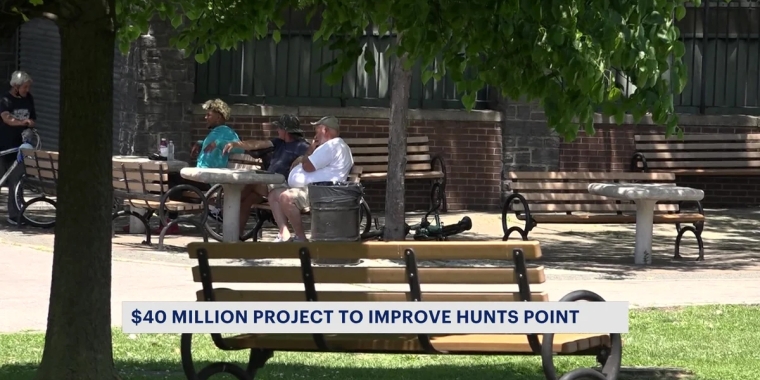
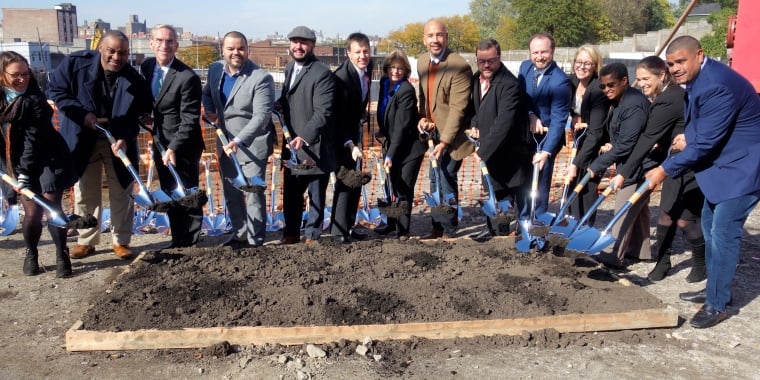
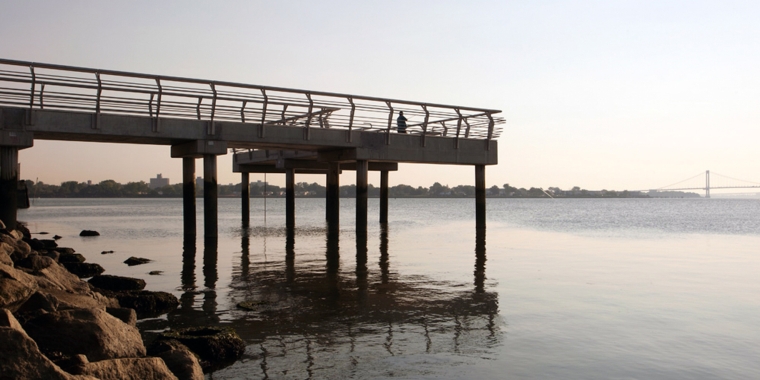
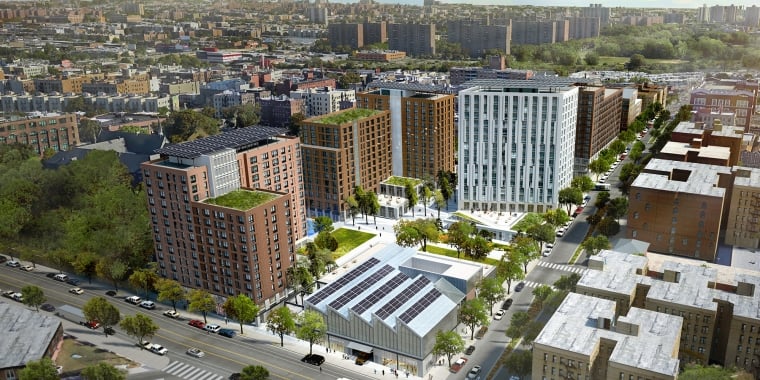
We’re working to improve quality of life, enhance open spaces, grow and attract businesses, create jobs, and foster a vibrant community on the Hunts Point Peninsula, home to over 12,600 residents, a thriving Industrial Business Zone (IBZ), and the Hunts Point Food Distribution Center (FDC)—one of the largest wholesale distribution centers in the world.
In June 2022, the City and the Hunts Point community released the final report from Hunts Point Forward, a yearlong process that brought together residents, workers, businesses, elected officials, and City agencies to create a shared vision of the priorities that will guide community efforts and drive future investments in Hunts Point for the next 15 years.
The final report establishes a path to implementation for concrete, near-term projects and defines long-term goals that City agencies and community organizations can commit to carrying forward. Hunts Point Forward built on the progress of past plans, including the 2004 Hunts Point Vision Plan.

The path forward for a shared vision that will guide community efforts and drive future investments in Hunts Point for the next 15 years.
Read the ReportIn 2004, the City and community released the Hunts Point Vision Plan, a plan that documented a set of projects fostered through the tremendous collaboration between the City and its various agencies, the Community Board, local residents and community-based organizations, elected officials, and industry. Since its release, the Plan led to new parks, safer streets, over a thousand new jobs, and improved air quality through the reduction of air pollutants.
The plan focused on four categories of short-term goals that were prioritized by the Task Force and outlined a series of recommendations to meet those goals. We have accomplished the following:
Optimized land use to support mutually beneficial growth in the residential and industrial communities
Created connections to foster improved access and mobility for residents and workers
Improved traffic safety and efficiency to enhance air quality and pedestrian safety
Implemented workforce solutions to better link employment opportunities to local residents
Optimizing Land Use
Acres of land remediated

1.37 million square feet (SF) of new industrial space built: Baldor, Anheuser-Busch, and Jetro

Logo and signage developed to foster positive identity.
New waste facilities located in area.
Creation of the Special Hunts Point District to limit waste-related uses around the residential core and promote the growth of new industry.
Square feet of new commercial/office space created

Acres of land remediated
Creation of the Special Hunts Point District to limit waste-related uses around the residential core and promote the growth of new industry.
Logo and signage developed to foster positive identity.
Square feet of new commercial/office space created
1.37 million square feet (SF) of new industrial space built: Baldor, Anheuser-Busch, and Jetro
New waste facilities located in area.
In addition to the 2004 vision plan recommendations, the City and State are advancing several other projects in Hunts Point:
Expanding affordable housing, community amenities, and quality jobs:
Enhancing resiliency and sustainability:
Investing in infrastructure:
Over the years, the City, together with the community, has successfully implemented major capital programs and programs. Several agencies, including NYCEDC and the Departments of City Planning, Parks & Recreation, Transportation, and Small Business Services, among many others, have all contributed to this success. The City hopes to continue building on these achievements together.

Citywide, the Workforce1 system has been able to connect over 4,000 residents of Hunts Point to employment opportunities since the City opened the Career Center in 2005.
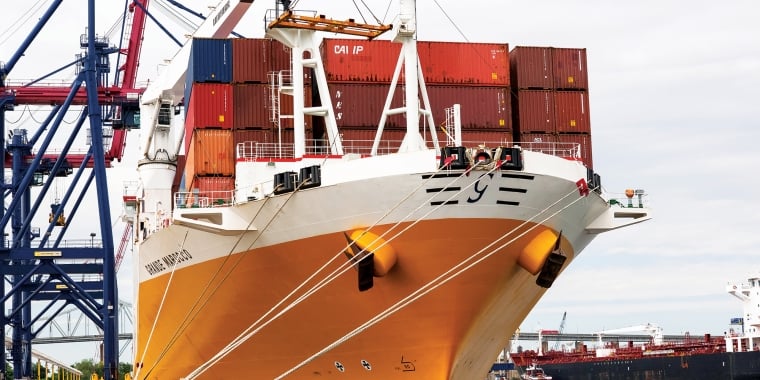
Learn MoreAccording to the 2016 New York City Food Distribution and Resiliency Study – the “Five Borough Food Flow” – the Hunts Point Food Distribution Center (FDC) is the single largest geographic cluster of food sources for the city (measured by annual distribution volume in lbs. to NYC customers). The FDC is comprised of over 155 public and private wholesalers, distributors, and manufacturers, including the Hunts Point Terminal Produce Market, the Hunts Point Cooperative Meat Market, and the New Fulton Fish Market. It is estimated that 4.5 billion lbs. of food is distributed through the Hunts Point FDC annually, with roughly 50% going to NYC and 50% going outside of the city. Together, the FDC employs 8,500 direct jobs. In all, 12% of all food distributed to NYC comes from the Hunts Point FDC. 49% of the customers at the FDC are independent restaurants and cafes, 20% are bodegas, 18% are supermarkets, and 13% are food markets.
Opened in 1967, the Terminal Produce Market occupies 103 acres, and consists of four primary warehouse structures, two adjunct warehouses, and various administrative and maintenance structures, making it the largest produce market in the country. The market is home to 31 merchants ranging from small firms with three employees to large firms with approximately 400 employees for an aggregate total of roughly 2,000 employees. The market captures an estimated $2 to $2.3 billion in revenue per year, or 22% of regional wholesale produce sales, equivalent to approximately 60% of the produce sales within New York City.
Parts of a Wholesale
The annual sales generated by the Hunts Point Food Distribution Center

The amount of food, in pounds, distributed annually from the distribution center

The number of employees at the Hunts Point Terminal Produce Market

The amount of refrigerated space, in square feet, at the Hunts Point Cooperative Meat Market

The year the New Fulton Fish Market moved to Hunts Point from Lower Manhattan
The annual sales generated by the Hunts Point Food Distribution Center
The amount of refrigerated space, in square feet, at the Hunts Point Cooperative Meat Market
The number of employees at the Hunts Point Terminal Produce Market
The amount of food, in pounds, distributed annually from the distribution center
The year the New Fulton Fish Market moved to Hunts Point from Lower Manhattan
To learn more about the future of Hunts Point, contact:
Related Projects